Custom Engine Tuning Packages for Excellent Results and Efficiency
Custom engine tuning services have become prominent for their ability to enhance vehicle performance and efficiency. By tailoring adjustments to individual engine types and driving conditions, these solutions offer substantial advantages. Advanced diagnostic tools facilitate for precise modifications, which can produce in enhanced horsepower and fuel efficiency. However, misbeliefs about engine tuning continue. Exploring the intricacies of these services reveals both hurdles and opportunities for drivers pursuing superior performance. What else might be influencing this dynamic market?
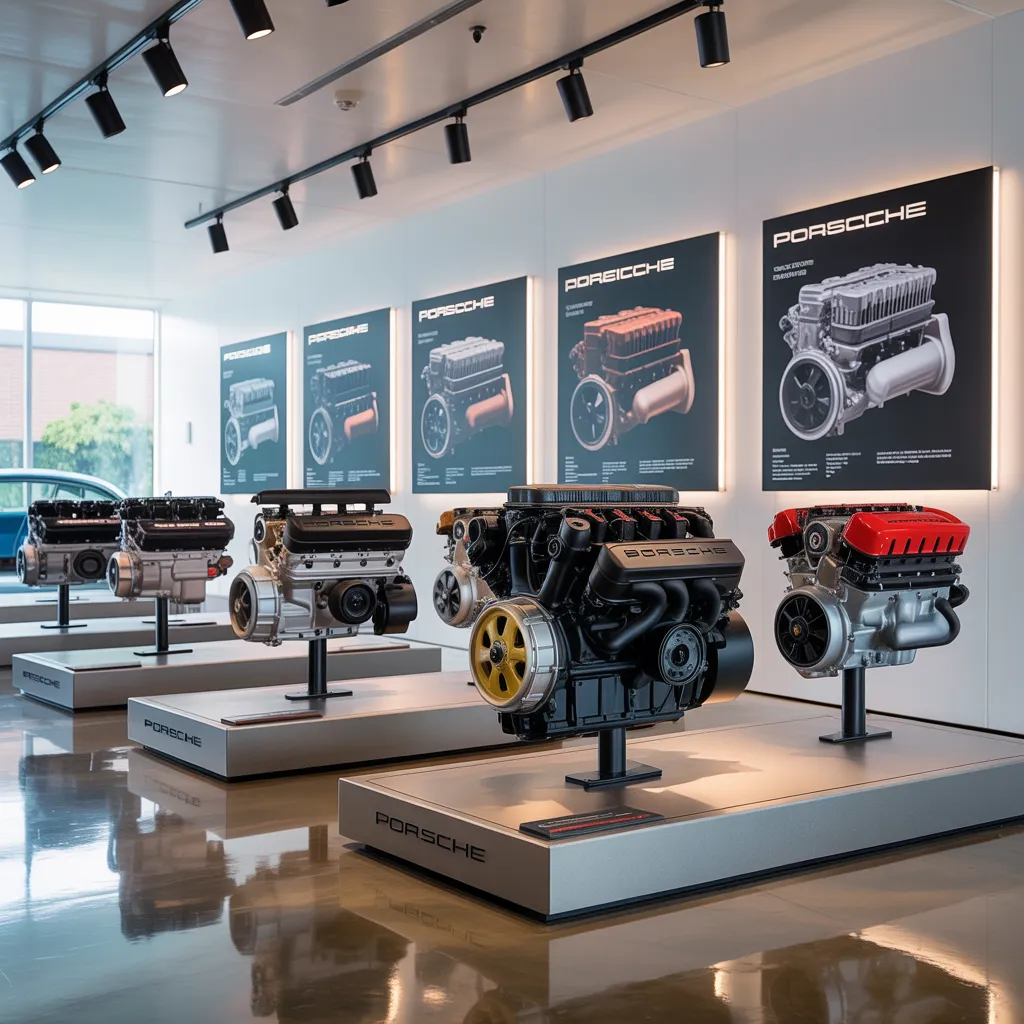
Critical Details You Should Learn About Custom Engine Tuning
What aspects determine the effectiveness of custom engine tuning? The accuracy of the tuning process depends on several vital elements, including the vehicle's specific engine type, modifications, and intended use. A deep understanding of the engine's dynamics allows for customized adjustments that enhance performance metrics such as throttle response and fuel efficiency. Additionally, utilizing advanced diagnostic tools guarantees accurate data collection, enabling the tuner to make informed decisions.
Environmental parameters, such as altitude and climate, also play a substantial influence; tuning must incorporate these circumstances to improve engine performance under diverse conditions. Furthermore, the competence and training of the tuner impact the outcome, as seasoned specialists can navigate complex systems and achieve desired results. Finally, routine updates and maintenance of tuning software can guarantee the engine continues to perform effectively as technology and driving conditions evolve.
Maximum Power Benefits From Bespoke Engine Tuning
Tapping into the complete potential of a vehicle through specialized motor tuning yields major performance gains that can reshape the driving experience. Elevated horsepower and torque are among view this guide the most outstanding improvements, allowing for swifter acceleration and a more thrilling drive. Specialized adjustment optimizes the air-fuel mixture and ignition timing, which not only boosts power but also enhances throttle response, making the vehicle feel more dynamic and responsive.
Furthermore, custom engine mapping can optimize overall drivability, customizing the engine's characteristics to specific driving styles, whether for daily commuting or high-performance racing. Improved engine efficiency means smoother shifts and improved driving capability under multiple driving circumstances.
In the end, custom engine tuning allows drivers to experience their automobiles in a novel manner, exposing potentials that standard factory settings may not deliver. This customized method can generate a more engaging and enjoyable driving experience, gratifying the wishes of driving aficionados.
Custom Engine Tuning Strategies for Superior Fuel Efficiency
Custom engine tuning transforms a vehicle's fuel efficiency by enhancing critical parameters like air-fuel ratios and ignition timing. By recalibrating these settings, the engine can achieve a more thorough combustion process. This leads to a decrease in unburned fuel, effectively increasing the energy extracted from each drop of gasoline or diesel.
In addition, custom tuning allows for adjustments adapted to driving conditions and individual performance needs. This means that vehicles can operate more efficiently under various loads and speeds, further enhancing fuel economy. Furthermore, a well-tuned engine can answer more promptly to throttle input, reducing the need for excessive acceleration, which often wastes fuel.
Dispelling Common False Beliefs Regarding Engine Enhancement
What causes the widespread misunderstanding regarding engine tuning to persist despite its benefits? Plenty of vehicle owners mistakenly assume that tuning applies only to high-performance racing applications, overlooking the perks it offers regular motorists. Yet another common myth suggests that engine tuning necessarily causes diminished reliability. In reality, when correctly performed, tuning can boost both performance and lifespan by adjusting engine parameters. What's more, some individuals fear that tuning will void their vehicle's warranty; nevertheless, many manufacturers authorize modifications provided they follow established guidelines. In the end, the assumption that all tuning solutions are standardized disregards the significance of custom tuning, which adjusts modifications to match individual vehicle specifications. By addressing these misconceptions, car enthusiasts and owners can make educated choices about engine tuning, ultimately enhancing their vehicle's performance and efficiency.
Finding the Perfect Tuning Solution for Your Ride
Selecting the appropriate tuning option involves thorough consideration of various factors. Key aspects include evaluating vehicle specifications, comprehending different engine types, and matching performance goals with the desired outcomes. Each of these elements plays an crucial role in determining the most effective tuning approach for ideal results.
Evaluating Vehicle Features
An thorough assessment of vehicle details is crucial for finding the efficient tuning solution. This approach requires assessing key components such as engine type, power output, torque characteristics, and fuel system design. Each vehicle has unique traits that influence performance, calling for a specific approach to tuning. For example, sports cars may benefit from aggressive tuning plans to improve speed and responsiveness, while trucks might prioritize improved torque for towing needs. Additionally, understanding the vehicle's purpose—whether it is for daily driving, racing, or off-roading—further improves the tuning strategy. By painstakingly examining these specifications, tuners can choose the most suitable modifications, delivering optimal performance, efficiency, and longevity while aligning with the driver's goals and preferences.
Learning About Engine Types
Grasping the various engine types significantly impacts the tuning solutions available for a vehicle. Various engine types, such as naturally aspirated, turbocharged, and supercharged, each exhibit unique characteristics and requirements. Naturally aspirated engines rely on atmospheric pressure, making tuning oriented toward optimizing air-fuel ratios and ignition timing. Turbocharged engines benefit from enhanced airflow, allowing for adjustments in boost levels and fuel mapping. Supercharged engines, which compress air before it enters the combustion chamber, require careful tuning to manage increased power without compromising reliability. Additionally, engine configurations, such as inline, V-type, or rotary, further affect the tuning approach. Recognizing these distinctions guarantees that vehicle owners select appropriate tuning solutions tailored to their specific engine type, maximizing performance and efficiency.
Establishing Performance Objectives
When pairing performance goals with the suitable tuning solution, vehicle owners must assess their intended results first, whether that includes greater power output, better gas mileage, or sharper throttle feel. Understanding these objectives provides a more focused approach to tuning. For example, those prioritizing speed may select a solution that boosts horsepower, while eco-conscious drivers might pursue improvements in fuel efficiency. In addition, driving enthusiasts might prefer a tuning option that enhances throttle response for a more exciting driving experience. It is essential to factor in factors such as engine type, driving conditions, and future goals. By defining driving objectives, car owners can identify a tuning solution that fits their needs and maximizes overall engine performance.
Evolving Shifts in Custom Engine Calibration
Custom engine tuning is experiencing a dynamic evolution, driven by advancements in technology and changing customer demands. One significant trend is the incorporation of AI and ML algorithms, enabling tuners to develop highly personalized maps that optimize performance and performance based on real-time data. Additionally, the emergence of battery-powered and hybrid vehicles has encouraged tuners to investigate new avenues, concentrating on battery management and energy recovery systems.
Yet another significant phenomenon is the increasing popularity of mobile-based tuning solutions, permitting users to modify engine parameters from anywhere via mobile applications. This convenience reflects a broader customer preference for accessibility and personalization. Moreover, compliance obligations for exhaust mitigation have led to the emergence of eco-friendly tuning approaches that enhance performance while minimizing ecological impact. As these trends progress forward, the individualized engine tuning landscape will in all likelihood grow more complex, meeting a array of performance and optimization requirements.
Frequently Asked Questions
What Is the Length of the Custom Engine Tuning Process?
Custom engine adjustment typically takes between one to three hours, subject to various factors including the vehicle type, desired modifications, and the technician's expertise. Correct calibration promises peak performance and efficiency.
Will Tuning Eliminate My Vehicle's Warranty?
Tuning may void certain components of a vehicle's coverage, especially if the alterations directly cause a failure. However, the general protection often remains intact unless clearly outlined in the manufacturer's terms and conditions.
Can I return to the base settings After tuning?
Yes, returning to original settings after tuning is typically possible. Most tuning solutions allow users to restore factory settings, ensuring that the vehicle can return to its original performance and efficiency levels if needed.
Which Instruments Do You Need for Custom Engine Modifications?
Effective custom engine tuning requires specific tools, such as an engine management system, diagnostic software, a laptop or tablet for data analysis, a wideband O2 sensor for air-fuel mixture monitoring, and various tuning cables for vehicle connectivity.
How Often Should I Think About Re-Tuning My Engine?
Engine re-tuning should be reviewed every 10,000 to 15,000 miles, or after major upgrades, maintenance, or performance issues develop. Periodic evaluations guarantee peak performance and tackle any variations in driving conditions or vehicle operation.
Comments on “Lamborghini Carbon Ceramic Brakes Engineered for Precision and Control”